What a P0420 Code Means and How to Fix It
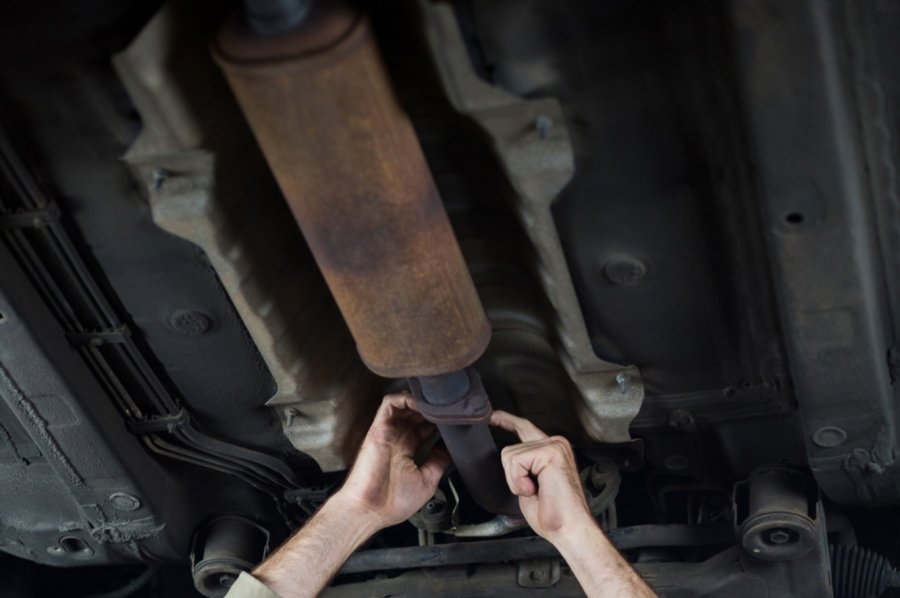
A P0420 code indicates that your vehicle's catalytic converter is not functioning efficiently, which can lead to reduced fuel economy, failed emissions tests, and engine performance issues. If your check engine light is on, getting a professional diagnostic test is the best way to determine if you need a catalytic converter replacement or a simple sensor repair.
Seeing a check engine light illuminate on your dashboard is always frustrating. When you scan the computer and see a P0420 code, it specifically points to an issue with your vehicle's exhaust and emissions system. Understanding what this code means can save you time, money, and stress down the road. This guide explains the root causes of catalytic converter inefficiency and how our team resolves these issues for drivers across Franklin, TN.
The Role of Your Catalytic Converter
Catalytic converters are essential filtration components located in your exhaust pipe. They take harmful pollutants created during engine combustion—like carbon monoxide and nitrogen oxides—and convert them into less harmful gases before they exit your tailpipe.
When your vehicle's computer registers a P0420 code, it means the oxygen sensors are detecting too many unburned pollutants passing through the converter. Essentially, the converter is no longer doing its job efficiently. This can happen due to internal wear, physical damage, or contamination from engine leaks.
Common Causes of a P0420 Code
While a failing catalytic converter is the most common reason for a P0420 code, it is not the only possibility. Auto repair experts must rule out several other components before recommending a replacement. Other potential causes include faulty oxygen (O2) sensors that are sending incorrect data to the engine's computer. Exhaust leaks near the catalytic converter can also trick the sensors into triggering the code. Additionally, engine misfires or burning oil can contaminate the catalyst materials inside the converter, leading to premature failure.
Why You Should Address Exhaust Issues Promptly
Ignoring a check engine light can lead to more severe damage over time. If a clogged catalytic converter restricts exhaust flow, it forces your engine to work harder. You might notice a severe lack of acceleration, rough idling, or a distinct smell of sulfur coming from your tailpipe.
Drivers in Franklin, TN, know that extreme seasonal temperature changes can make existing exhaust leaks and cracks even worse. Addressing a P0420 code early often prevents the need for extensive manifold and exhaust pipe repairs later.
Frequently Asked Questions
Can I still drive my car with a P0420 code?
Yes, you can usually drive your vehicle for a short period with a P0420 code. However, if you notice severe hesitation or a flashing check engine light, you should pull over immediately to prevent engine damage.
How much does it cost to fix a P0420 code?
The cost varies widely depending on the root cause. Replacing a faulty O2 sensor is relatively inexpensive, while replacing a damaged catalytic converter requires a larger investment.
Get Your Exhaust System Checked at Quick Muffler
Since 1999, Quick Muffler Shop has provided drivers in Franklin, Brentwood, and Nashville with honest, reliable exhaust repairs. If your check engine light is on, Sam and our expert technicians will run a full diagnostic to pinpoint the exact cause of your P0420 code. We stock high-quality catalytic converters and O2 sensors to get your car running efficiently again. Visit us at 121 7th Ave South in Franklin, TN, or call (615) 790-2385 to schedule your appointment.